
Types of blood sugar tests
Diabetes is not a new disease.The first mention of diabetes happens to be around 3700 years back when an Egyptian dentist, Hasy Ra talked about it. In those days, diabetes test was performed at the visual level. The doctors or the healers noticed that when a person having diabetes urinated at some place ants gathered around that spot. This led them to believe that there was some extra sugar present in the urine of that person.

Later on urine testers – who were also known as water testers – came on diabetes diagnosis scene. These urine testers used to take a couple of drops of diabetes patients’ urine put it on their tongue and try to feel the extent of sweetness in that urine sample.
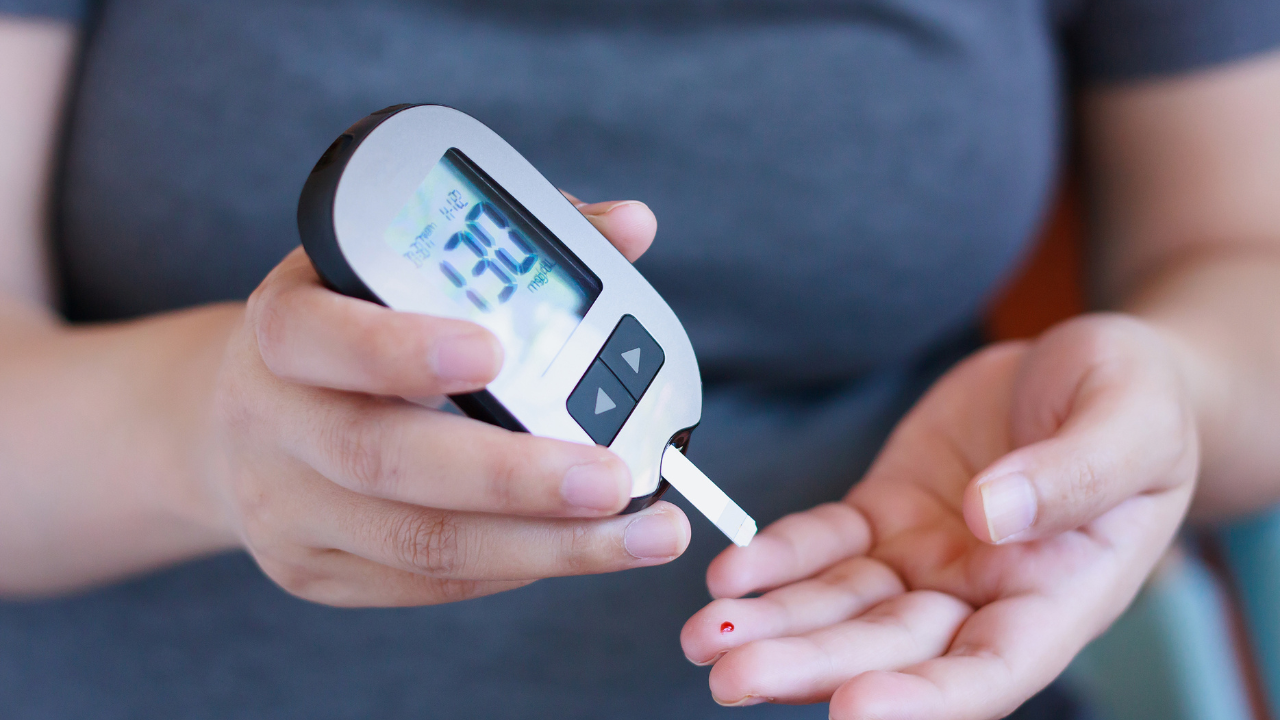
Thankfully, we do not have to rely on such tactics today. Today, technology has come a long way, and we have a massive range of tests available to us. We have sophisticated equipment which can tell us instantly the blood glucose level in a person’s blood at a given moment or over a couple of weeks or couple of months.
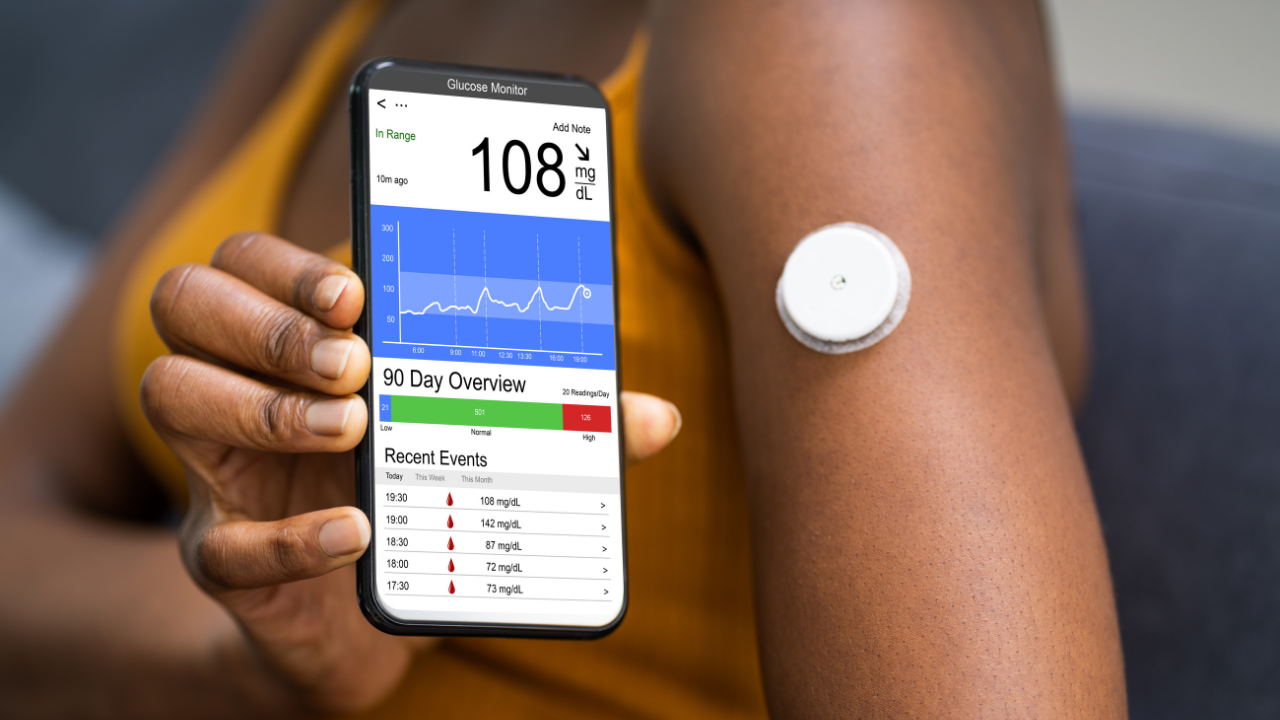
Besides, we also have continuous glucose monitors who inform us about blood sugar levels on a minute to minute basis.
There are several blood glucose tests available to assess different aspects of glucose metabolism. Here are some common blood glucose tests and their significance:
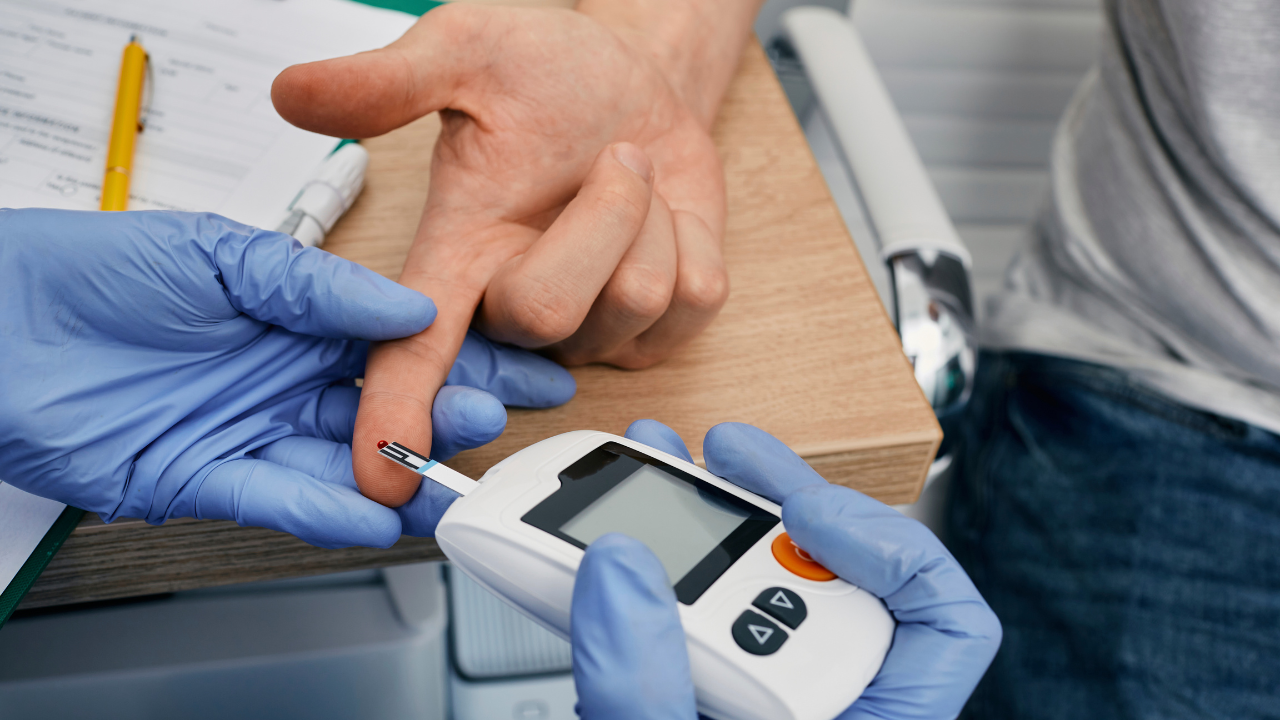
1. Fasting Blood Glucose (FBG):
Significance: Measures blood glucose levels after an overnight fast (usually 8 hours). It helps diagnose and monitor conditions like diabetes and prediabetes.
Preferred in: Screening for diabetes, routine monitoring, and initial assessment of glucose metabolism.
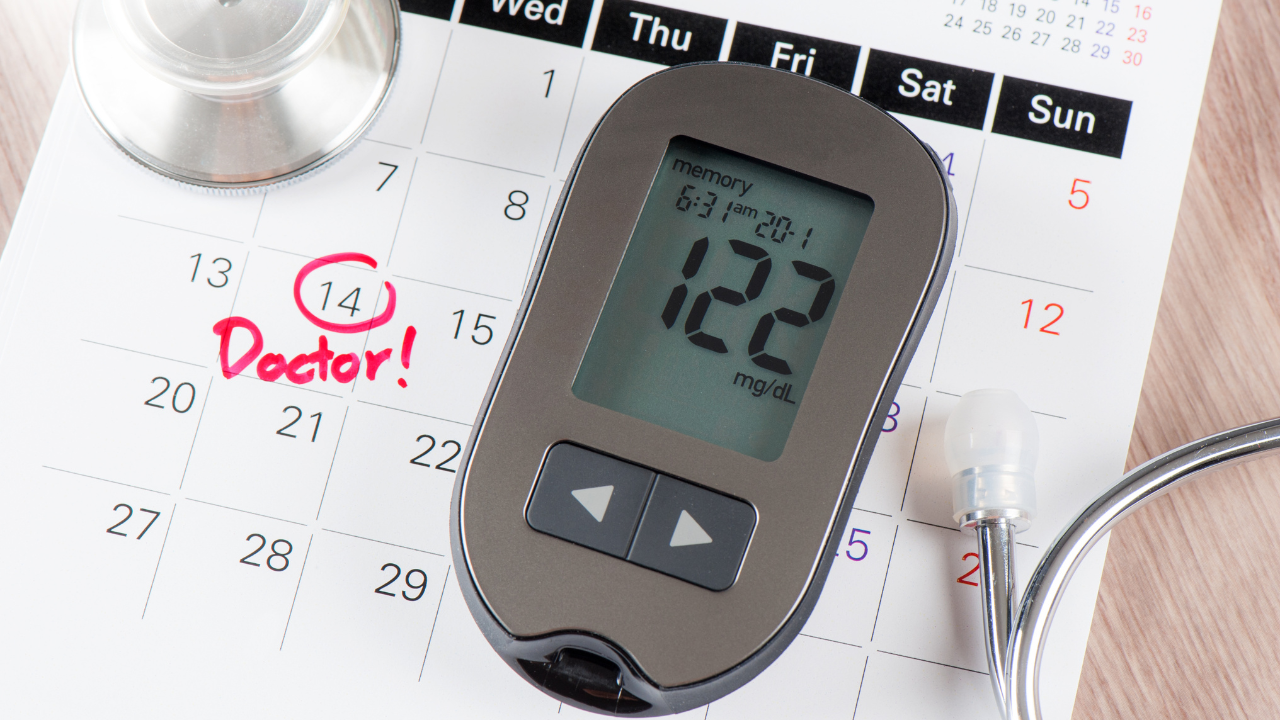
2. Postprandial Blood Glucose (PPBG or PPG):
Significance: Measures blood glucose levels 2 hours after eating. It provides information about the body’s ability to handle glucose after a meal.
Preferred in: Assessing post-meal glucose control, particularly in individuals with diabetes.

3. Random Blood Glucose Test:
Significance: Measures blood glucose levels at any time of the day, regardless of when the last meal was consumed. It provides a snapshot of the current glucose level.
Preferred in: Emergency situations, when fasting is not possible, or to assess glucose control at any time of the day.

4. Hemoglobin A1c (HbA1c):
Significance: Reflects the average blood glucose levels over the past 2-3 months. It provides a long-term view of glucose control.
Preferred in: Monitoring long-term glucose control in individuals with diabetes and assessing overall diabetes management.

5. Oral Glucose Tolerance Test (OGTT):
Significance: Involves fasting blood glucose measurement, followed by consuming a glucose solution. Blood glucose levels are then monitored at intervals. It helps diagnose diabetes and gestational diabetes.
Preferred in: Gestational diabetes screening, diagnosing impaired glucose tolerance, and assessing insulin resistance.

6. Continuous Glucose Monitoring (CGM):
Significance: Involves wearing a device that continuously measures interstitial glucose levels throughout the day. It provides real-time data, offering a detailed profile of glucose fluctuations.
Preferred in: Individuals with diabetes requiring detailed information about glucose patterns, especially those using an insulin pump.
7. Fructosamine Test:
Significance: Measures the average blood glucose levels over the past 2-3 weeks. It is used when HbA1c testing may be unreliable, such as in conditions affecting red blood cell turnover.
Preferred in: Situations where HbA1c may be inaccurate, such as in patients with certain medical conditions.
8. Glycated Albumin Test:
‘Significance: Measures the percentage of glycated albumin in the blood, reflecting short-term changes in blood glucose levels over the preceding 2-3 weeks.
Preferred in: Situations where HbA1c testing is not suitable, and a shorter-term indicator of glycemic control is needed.

Considerations:
The choice of the blood glucose test depends on the specific clinical context, the purpose of testing, and individual patient factors.
Combining different tests may provide a comprehensive assessment of glucose metabolism.
It’s important to decode blood glucose test results in consultation with a doctor/healthcare professional who can consider the clinical context, patient history, and other relevant factors for accurate diagnosis and management.